
Practice 04 06
Technology that keeps moving when goods do.
Connected systems, current operational data, and resilient integrations for organizations where visibility has to match movement.
Talk to an engineerWhat Logistics and Supply Chain demands.
Logistics runs on integrations, telemetry, and systems that cannot pause for maintenance windows. We build the data pipelines, integrations, and monitored operations that keep movement visible and decisions current.

What Logistics and Supply Chain systems have to get right.
-
Events on time
Signals operations can act on
-
Integrations that bend
Partner endpoints fail predictably
-
Cover after hours
Shipments do not stop at five
Visibility that matches the movement
Current data, staged cutovers, nothing paused

The operating conditions behind the integration map.
A supply chain platform is only as trustworthy as the events, interfaces, and recovery paths beneath it.
-
Events that arrive on time
Streaming, data quality, and exception handling determine whether operational teams can act on a tracking signal with confidence.
-
Integration that tolerates change
APIs, partner connections, and legacy interfaces need observable contracts and clear recovery behavior as systems evolve.
-
Operations beyond office hours
Monitoring, incident response, and practical runbooks matter when shipments and customers do not stop at the end of a workday.
How we help.
Physical operations do not pause for a migration. The practices below assume goods keep moving while the systems underneath them change, which is what decides the sequencing more than anything else.
Execution over theory.
We don't do open-ended retainers for discovery. You get a technical assessment in one to three days, a fixed fee, and a priced build before you commit. We own the delivery risk so you don't have to.
Engagement patterns
How the work is shaped in Logistics and Supply Chain.
Four engagements logistics and supply chain teams bring to us most, each with the deliverables and the success measure agreed before any work starts.
-

Tracking every shipment event as it happens
Stream carrier, warehouse, and telematics events into one model of where goods are, with exceptions raised the moment a milestone slips.
Success measure Exceptions raised within minutes of a missed milestone- Event stream
- Shipment model
- Exception alerts
-
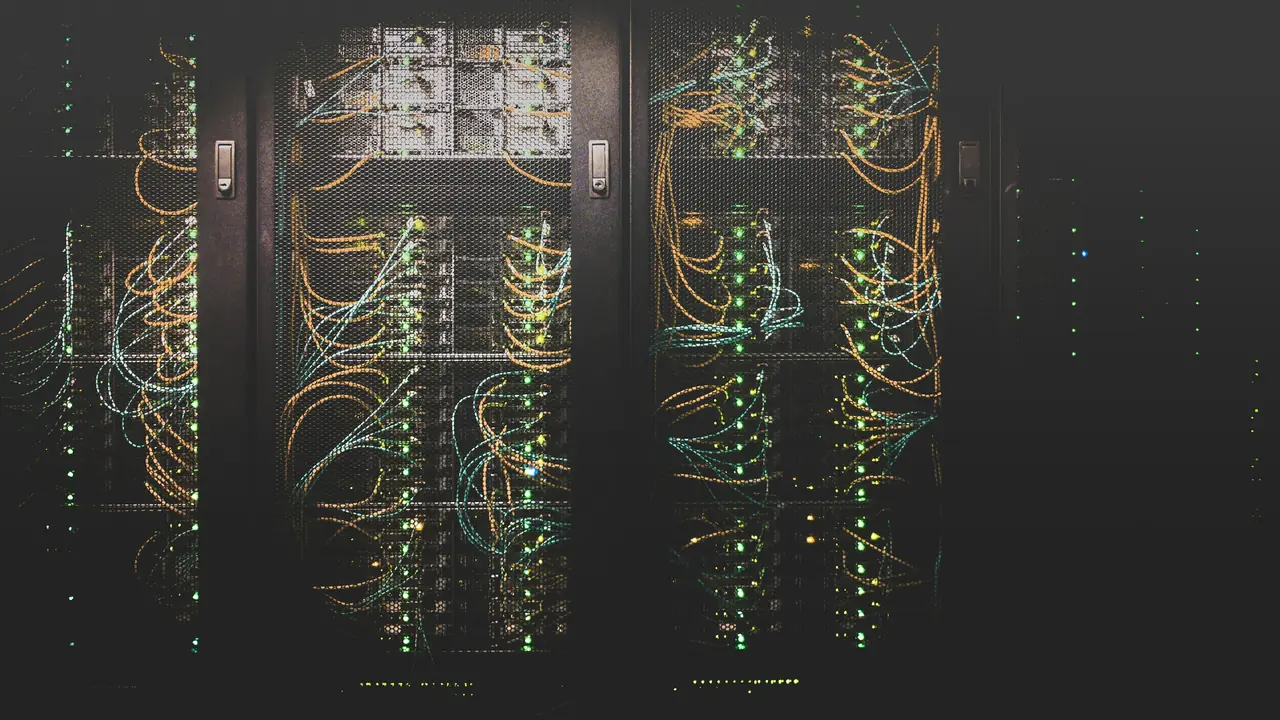
Onboarding carriers and partners without custom code each time
Standardize EDI and API connections behind one integration layer so a new partner is configuration rather than a project.
Success measure New partner onboarding measured in days- Integration layer
- Partner templates
- Flow monitoring
-

Modernizing warehouse software without stopping the floor
Replace legacy WMS modules one process at a time, running alongside the old system until each is proven on live volume.
Success measure No unplanned stoppage during cutover- Process map
- Phased cutover
- Floor training
-
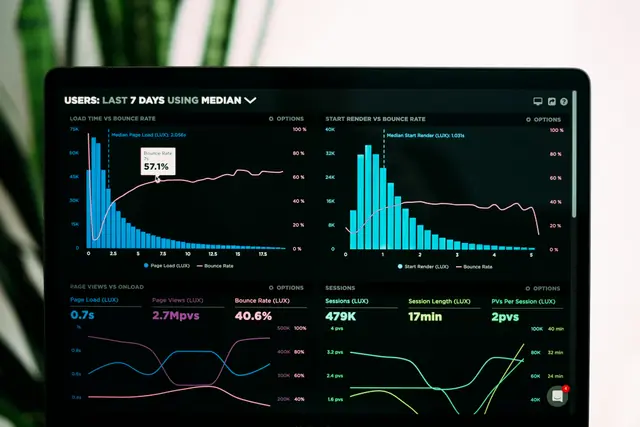
Turning historic volumes into capacity plans
Join orders, capacity, and seasonality on one data platform, then forecast demand with the error rate stated alongside the number.
Success measure Forecast error reported with every forecast- Data platform
- Forecast models
- Planning views

Patterns describe how we scope and run this work. They are not client case studies.
Scope one of these with an engineer
Questions logistics and supply chain buyers ask.
Our systems cannot pause for a maintenance window. Is that workable?
Yes, and it shapes the design rather than blocking it. Cutovers are staged, reversible, and scheduled around the operational calendar rather than the engineering one.
Can you integrate with partner and carrier systems we do not control?
That is most of the work in this sector. We design integrations to fail predictably, because a partner endpoint you do not control will eventually be slow, wrong, or unavailable, and the system has to keep moving.
How do you handle telemetry volume?
By deciding what actually needs to be real time. Streaming everything is expensive and rarely necessary; the design question is which decisions need current data and which are fine with a batch.
Can you improve visibility without replacing our core platform?
Frequently, yes. A reporting and integration layer over an existing system delivers most of the visibility benefit at a fraction of the risk of a platform replacement, and we will say when that is the better option.
Do you provide ongoing operational cover?
Yes, under a managed services agreement with defined severities and response targets, including cover outside business hours where the operation runs outside them.
Where else this work has to hold up.
Other industries we work in
All six sectors



Make the operational picture as current as the movement.
We can assess the integration bottleneck, data-latency issue, or reliability risk limiting your teams today.
Partner with Us for Comprehensive IT
We're happy to answer any questions you may have and help you determine which of our services best fit your needs.
Call us at: +92 (333) 32 11011
Your benefits:
- Client-oriented
- Results-driven
- Independent
- Problem-solving
- Competent
- Transparent
What happens next?
- Step 1
You pick the time
We schedule the call at your convenience, not around our pipeline.
- Step 2
Thirty minutes, with an engineer
A direct answer on what we would do and whether we are the right fit at all.
- Step 3
A written assessment
A technical assessment and proposal, and the document is yours either way.
