

Practice 05 08
Software built for production from the first commit.
Full-stack platforms, APIs, and applications engineered to be operated, not just launched.
Talk to an engineerWhat this practice is.
The difference between an MVP and a product is everything that happens after launch. We build with that day in mind: tested pipelines, security scanning, accessibility, and an architecture the next engineer can actually work in.

Standard Enterprise Flow
How the work runs.
-
Scope
Acceptance criteria agreed before the build
-
Build
Typed APIs, tests, and accessibility in the pipeline
-
Scan
Security and dependency checks on every commit
Software you can operate
Documented, tested, and handed over with the source
What separates a launch from a product.
A durable product can be changed, secured, observed, and handed to another capable team without rediscovering its architecture.
-
An architecture built to evolve
Boundaries, APIs, and dependencies are chosen to support the next release and the next team, not only the first demo.
-
Safety in the delivery path
Automated testing, dependency and security checks, and reviewable releases reduce the operational risk of every change.
-
Ownership that transfers cleanly
Documentation, runbooks, and knowledge transfer are part of delivery so your organization retains control of the product it funded.
What we deliver.
- React, Next.js, Node.js, Python, and Go engineering.
- API design and microservices architecture.
- Mobile application development with React Native and native iOS and Android.
- UX and UI with WCAG 2.1 AA accessibility built in.
- DevSecOps pipelines with automated testing and security scanning.
Execution over theory.
We don't do open-ended retainers for discovery. You get a technical assessment in one to three days, a fixed fee, and a priced build before you commit. We own the delivery risk so you don't have to.
Engagement patterns
Four ways Product Engineering engagements run.
The product engineering work we are asked for most often, shown as patterns: what each one delivers and the measure that decides when it is done.
-
Taking a product from validated idea to first release
Scope the smallest release worth shipping, build it in short increments, and put working software in front of users early.
Success measure Users testing working software early- Release scope
- Working increments
- User feedback loop
-

Rebuilding an application without a risky rewrite
Replace a legacy application piece by piece behind stable interfaces, so users keep working while the code underneath changes.
Success measure No big-bang cutover- Architecture plan
- Incremental rebuild
- Interface contracts
-
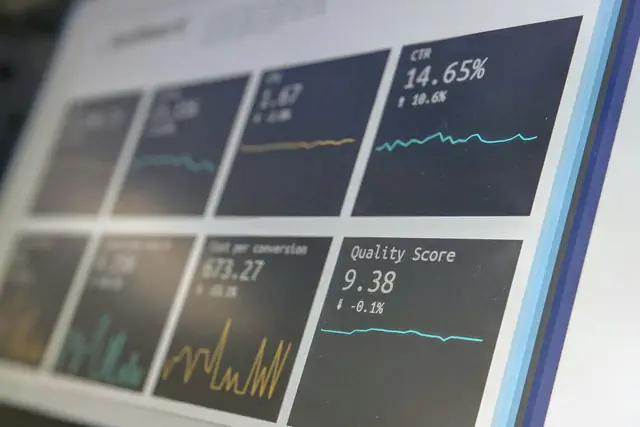
Making every release predictable
Add automated tests where failures are most expensive, gate releases on them, and track the defects that still reach production.
Success measure Escaped defects tracked per release- Test strategy
- Release gates
- Quality reporting
-
Building software your own team can run
Document decisions, pair with your engineers, and hand over code, pipelines, and runbooks they already understand.
Success measure Your team ships the first change after handover- Decision records
- Pairing
- Runbooks


Patterns describe how we scope and run this work. They are not client case studies.
Scope one of these with an engineer
Questions we get asked.
Can you work from an existing product, design system, or codebase?
Yes. We can start with a technical assessment to understand maintainability, delivery risk, accessibility, and the most valuable path forward.
Who owns the source code and documentation?
The client receives the agreed work product on payment under the statement of work, with documentation and a structured handover.
Can you take over a build another team started?
Yes, and a large share of our work is exactly that. We begin with an assessment of maintainability, delivery risk, and security posture, so you get an honest read on what is worth keeping before anyone commits to a plan.
How do you keep a project from drifting past its budget?
Fixed scope is priced fixed, and scope changes are priced when they are requested rather than absorbed silently. Milestones have written acceptance criteria, so both sides know what finished means before work starts.
What does accessibility mean in practice on your builds?
WCAG 2.1 AA as a build requirement rather than a retrofit: keyboard operability, contrast checked automatically, real form labels, and structure that assistive technology can navigate. It is enforced in the pipeline, not audited at the end.
Will we be able to hire engineers who can work in this codebase?
That is a design constraint we take seriously. We choose established tools over interesting ones, document the decisions that are not obvious, and avoid patterns that need us to explain them.
Where this goes next.
Applied in
All six sectors


Other practices
All eight solutions



Build the product your team can own after launch.
Start with the customer problem, the platform constraint, or the codebase you have inherited. We will turn it into a buildable plan.
Partner with Us for Comprehensive IT
We're happy to answer any questions you may have and help you determine which of our services best fit your needs.
Call us at: +92 (333) 32 11011
Your benefits:
- Client-oriented
- Results-driven
- Independent
- Problem-solving
- Competent
- Transparent
What happens next?
- Step 1
You pick the time
We schedule the call at your convenience, not around our pipeline.
- Step 2
Thirty minutes, with an engineer
A direct answer on what we would do and whether we are the right fit at all.
- Step 3
A written assessment
A technical assessment and proposal, and the document is yours either way.
