

Practice 08 08
Business systems that fit the business, not the other way around.
Implementation, customization, and integration for ERPNext, Odoo, and CRM platforms.
Talk to an engineerWhat this practice is.
An ERP that fights your process gets abandoned by month three. We implement and customize business systems around how your teams actually work: module development, migration from legacy tools, and integration with the rest of your stack.

Standard Enterprise Flow
How the work runs.
-
Map
How the work is actually done
-
Configure
Modules and workflows built around that
-
Migrate
Profiled, validated, and reconciled
A system people actually use
Training, documentation, and a support path from day one
What business-system change must protect.
An ERP or CRM rollout touches real operating habits. The system should make the work clearer without compromising data integrity or adoption.
-
Processes that fit the operating model
Modules, approvals, and workflows are configured around accountable business decisions rather than forcing teams into a generic template.
-
Migration with reconciliation
Legacy data is profiled, mapped, validated, and reconciled so cutover does not carry unresolved records into the new system.
-
Adoption with a support path
Training, documentation, roles, and post-launch support are planned as part of delivery so the system becomes a working habit.
What we deliver.
- ERPNext and Odoo implementation and customization.
- Module and workflow development.
- Data migration from legacy systems.
- API integration with existing platforms.
- Training and structured handover.
Execution over theory.
We don't do open-ended retainers for discovery. You get a technical assessment in one to three days, a fixed fee, and a priced build before you commit. We own the delivery risk so you don't have to.
Engagement patterns
Four ways ERP and Business Systems engagements run.
The erp and business systems work we are asked for most often, shown as patterns: what each one delivers and the measure that decides when it is done.
-
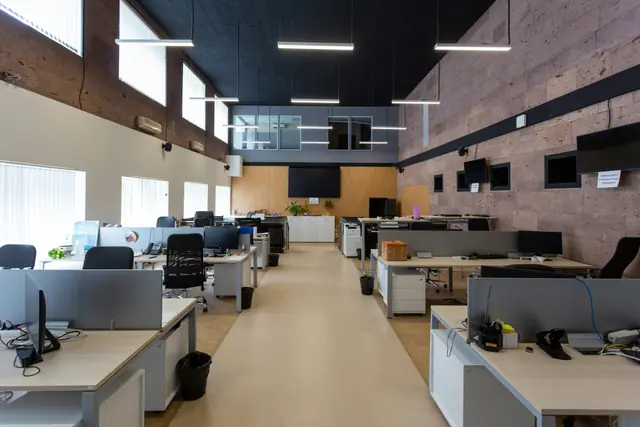
Implementing an ERP around how you actually work
Map current processes, configure before customizing, and keep customization to the places that genuinely set you apart.
Success measure Customization limited to differentiating processes- Process design
- Configuration
- Fit-gap log
-

Moving master and transaction data without surprises
Profile and cleanse data early, rehearse the migration several times, and reconcile totals before go-live.
Success measure Totals reconciled before go-live- Data profiling
- Migration rehearsals
- Reconciliation
-
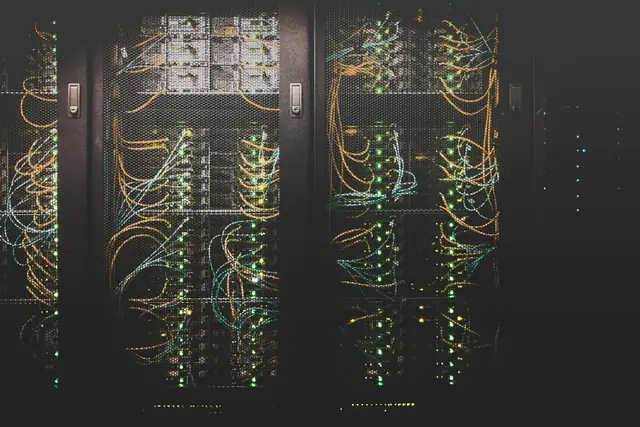
Connecting the ERP to everything around it
Integrate CRM, commerce, payroll, and banking through managed interfaces with monitoring on every flow.
Success measure Every integration flow monitored- Interface design
- Integration build
- Flow monitoring
-

Getting people to use the new system well
Train by role, support the first close cycles closely, and measure adoption so problems surface early.
Success measure Adoption measured through first close- Role training
- Hypercare
- Adoption metrics


Patterns describe how we scope and run this work. They are not client case studies.
Scope one of these with an engineer
Questions we get asked.
Can you customize an existing ERPNext, Odoo, or CRM deployment?
Yes. We first assess whether the need is configuration, extension, integration, process redesign, or a data-quality problem before proposing custom code.
How do you reduce risk during data migration?
We use staged migrations with source profiling, mapping, validation, reconciliation, cutover criteria, and a defined rollback approach where the change warrants it.
How long does an implementation usually take?
It depends far more on how settled your processes are than on the software. Where the process is agreed, delivery moves quickly; where it is not, the implementation surfaces that, which is useful but takes time nobody planned for.
What is the most common reason these projects fail?
Configuring the system around how work is described rather than how it is actually done. We spend real time on that gap early, because a system that fights the daily routine gets abandoned regardless of how well it was built.
Can the system talk to what we already run?
Usually. Integration is scoped explicitly rather than assumed, since it is where most of the unplanned effort in these projects lives. We map the interfaces before the implementation plan is priced.
Who supports it after go live?
Your team, with documentation and training designed for that from the start. Where you want ongoing support we offer it as a defined agreement, but the system is never built so that only we can operate it.
Where this goes next.
Applied in
All six sectors
Other practices
All eight solutions


Make the business-system change stick.
Bring the workflow bottleneck, the implementation that stalled, or the integration landscape. We will map the change that matters first.
Partner with Us for Comprehensive IT
We're happy to answer any questions you may have and help you determine which of our services best fit your needs.
Call us at: +92 (333) 32 11011
Your benefits:
- Client-oriented
- Results-driven
- Independent
- Problem-solving
- Competent
- Transparent
What happens next?
- Step 1
You pick the time
We schedule the call at your convenience, not around our pipeline.
- Step 2
Thirty minutes, with an engineer
A direct answer on what we would do and whether we are the right fit at all.
- Step 3
A written assessment
A technical assessment and proposal, and the document is yours either way.
