

Practice 06 08
Your systems, watched around the clock.
Ongoing operational ownership under a real Enterprise SLA.
Talk to an engineerWhat this practice is.
Production does not fail during business hours by preference. Our managed operations give you a named engineer inside a 15-minute P1 response target, proactive patching and capacity work, and reporting that shows exactly what was done and why.
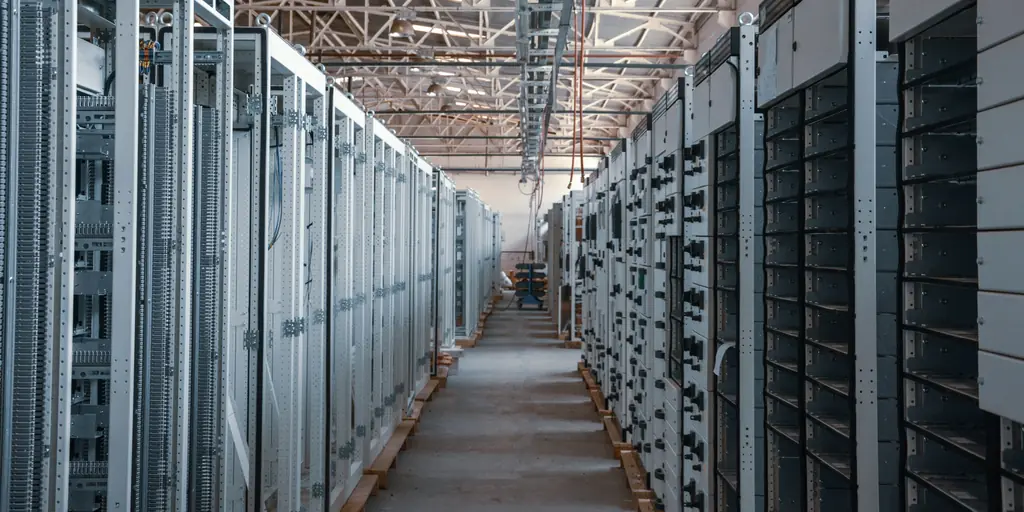
Standard Enterprise Flow
How the work runs.
-
Detect
Monitored around the clock
-
Respond
Named engineer, 15 minute P1 target
-
Prevent
Patching, capacity, and cost governance
Reporting you can act on
Root cause for every P1 and P2, reviewed each quarter
What accountable operations look like.
Managed services should create calmer operations: named ownership, clear response commitments, and evidence of the preventive work done between incidents.
-
A clear path during an incident
Severity, escalation, communication, and recovery responsibilities are understood before an outage asks your team to improvise them.
-
Preventive operational work
Patching, capacity planning, reliability improvements, and cost governance are treated as planned work, not deferred until the next failure.
-
Reporting leaders can use
Service activity, trends, risks, and improvement priorities are surfaced in a regular operating rhythm, including quarterly reviews.
What we deliver.
- 24/7/365 monitored production support under Enterprise SLA.
- Proactive patching, scaling, and cost governance.
- Incident response and root-cause analysis for every P1 and P2 event.
- Monthly and quarterly reporting with clear performance metrics.
- Flexible retainer models scaled to your operational footprint.
Execution over theory.
We don't do open-ended retainers for discovery. You get a technical assessment in one to three days, a fixed fee, and a priced build before you commit. We own the delivery risk so you don't have to.
Engagement patterns
Four ways Managed Services engagements run.
The managed services work we are asked for most often, shown as patterns: what each one delivers and the measure that decides when it is done.
-

Running production with defined response targets
Monitor what matters to users, respond within agreed times, and report every incident with its cause and its fix.
Success measure Response times reported against agreement- Monitoring
- On-call response
- Incident reports
-
Keeping systems current without weekend outages
Patch on a predictable schedule, test in staging first, and track exposure so nothing critical waits for the next quarter.
Success measure Critical patches tracked to closure- Patch schedule
- Staging tests
- Exposure report
-
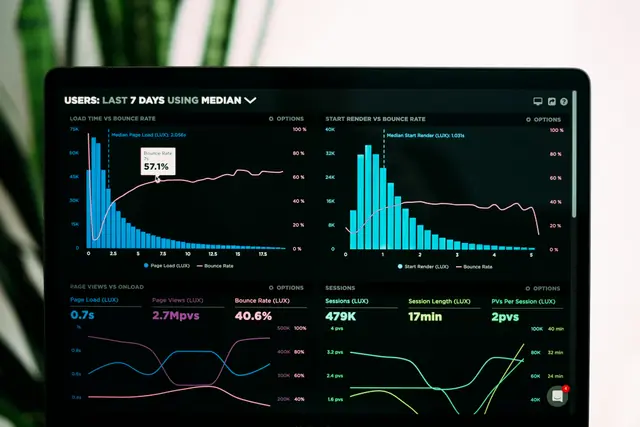
Reducing the work that keeps coming back
Find the recurring incidents and manual tasks, fix their causes, and automate whatever remains.
Success measure Recurring incidents trending down- Problem reviews
- Automation
- Trend reports
-
Taking over operations from another provider
Document the estate, shadow the current team, and take responsibility in stages with a clear acceptance at each step.
Success measure Staged acceptance with no service gap- Estate discovery
- Shadow period
- Acceptance plan

Patterns describe how we scope and run this work. They are not client case studies.
Scope one of these with an engineer
Questions we get asked.
Can you take over a system another team built?
Yes. We begin with a transition and technical assessment so the service boundary, existing risks, access model, and operating runbooks are understood before an SLA starts.
What does a 15-minute P1 response target mean?
For eligible Enterprise SLA clients, it is the target to acknowledge and begin coordinated response to a defined P1 incident. Recovery objectives and scope are agreed in the SLA.
What is actually covered, and what is not?
The service boundary is written into the agreement: which systems, which hours, what counts as each severity, and what falls outside. Anything ambiguous at signing becomes an argument during an incident, so we resolve it at signing.
Do we get the same engineers each time?
Yes. A named engineer owns your environment, with a cross trained backup so leave and time zones do not become your problem. You are told when that changes.
How do you handle changes we request, as opposed to incidents?
Separately, and deliberately. Incidents are covered by the response targets; planned change work is scoped and scheduled. Mixing the two is how a support retainer quietly turns into an unmanaged project.
Can we exit without being stranded?
Yes. Documentation, runbooks, and access stay current throughout rather than being assembled at the end, and the agreement includes a defined transition out. A retainer that is hard to leave is a retainer that stopped earning renewal.
Where this goes next.
Applied in
All six sectors

Other practices
All eight solutions


Replace reactive support with accountable operations.
If the team is spending too much time firefighting, begin with the current service map, incident history, and operational constraints.
Partner with Us for Comprehensive IT
We're happy to answer any questions you may have and help you determine which of our services best fit your needs.
Call us at: +92 (333) 32 11011
Your benefits:
- Client-oriented
- Results-driven
- Independent
- Problem-solving
- Competent
- Transparent
What happens next?
- Step 1
You pick the time
We schedule the call at your convenience, not around our pipeline.
- Step 2
Thirty minutes, with an engineer
A direct answer on what we would do and whether we are the right fit at all.
- Step 3
A written assessment
A technical assessment and proposal, and the document is yours either way.
